
Notes
Why our oats come from one valley
Single-origin oats are not a marketing line for us. They are how we keep the flavor the same carton to carton.
How to get the most out of a carton, plus the occasional opinion about foam.
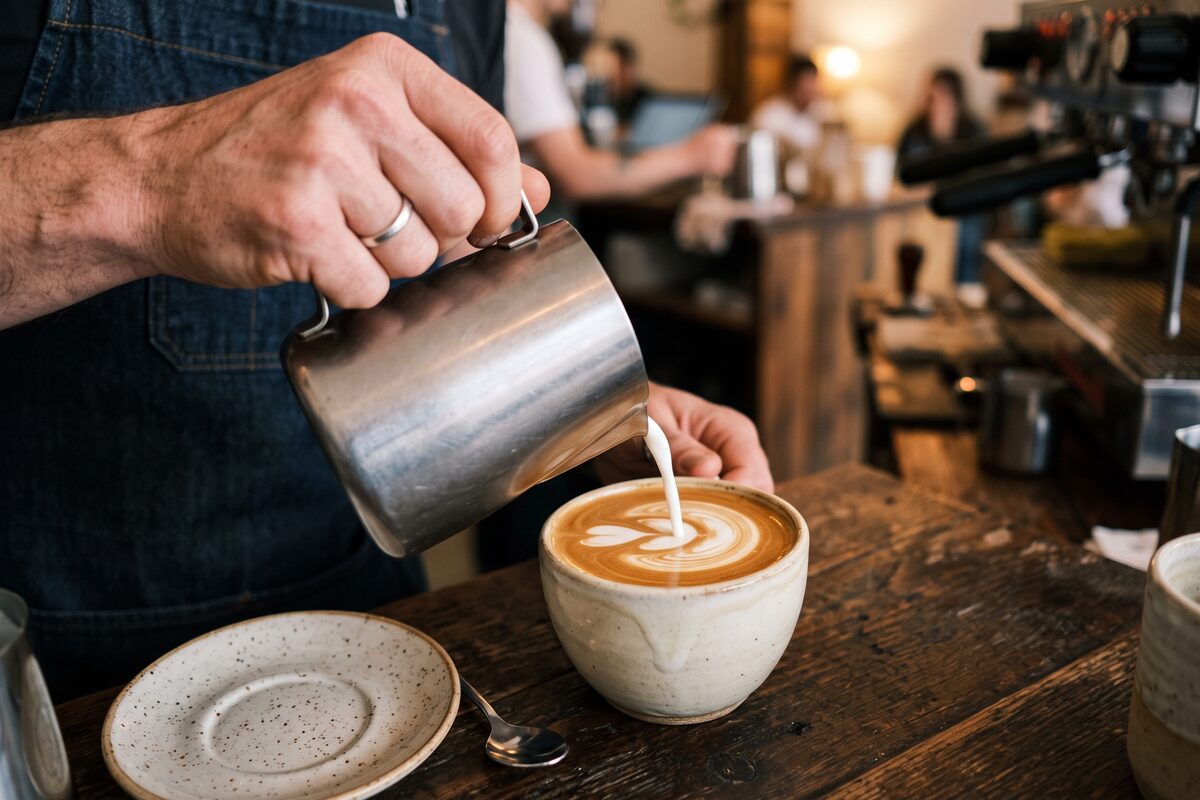
Oat milk foams differently from dairy. Here is how we pull a tight, glossy microfoam every time.
Read
Single-origin oats are not a marketing line for us. They are how we keep the flavor the same carton to carton.
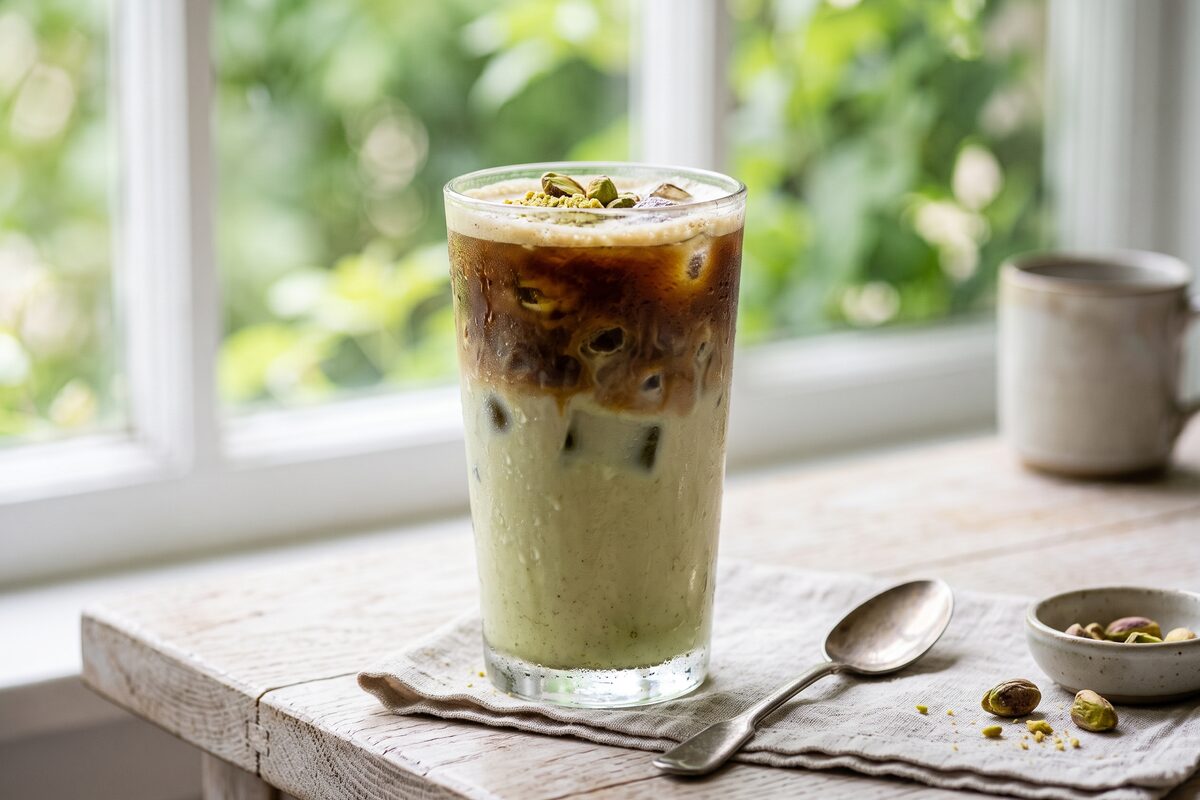
Our limited Barista Pistachio over ice, with a double shot and a little salt.
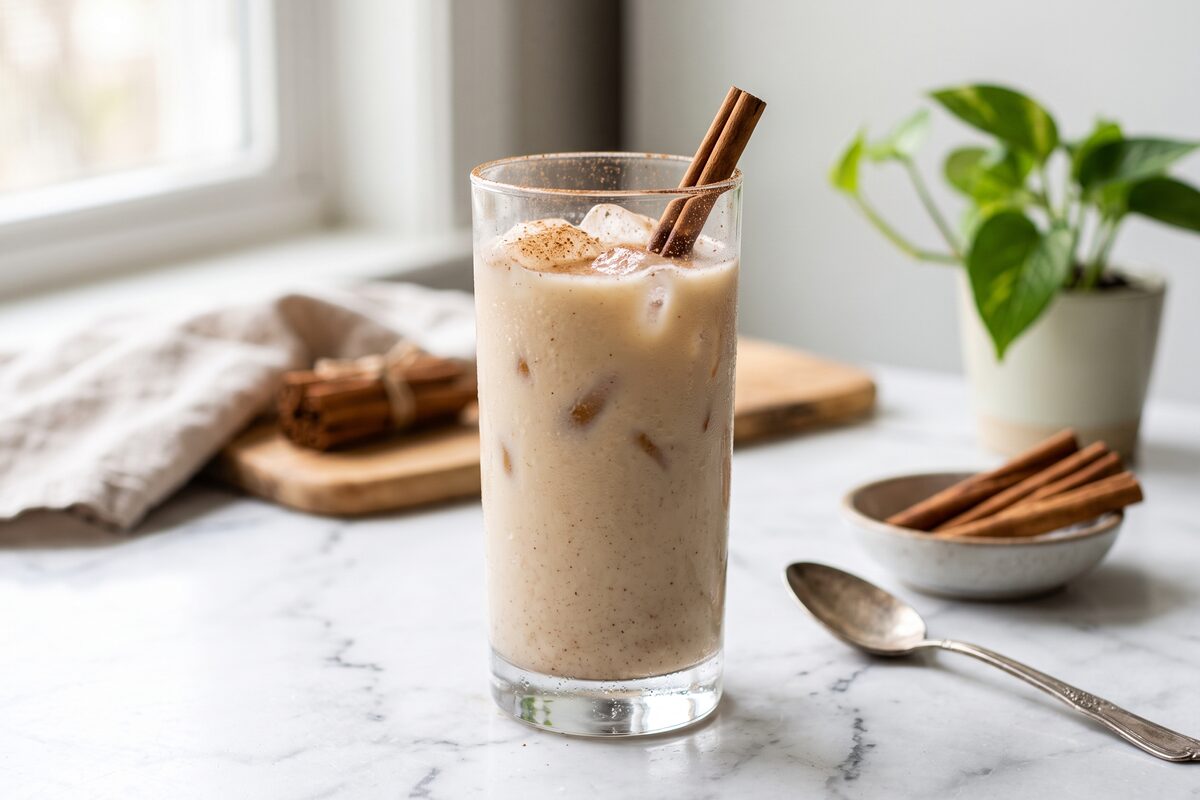
Everyday Oat, cinnamon, and a slow overnight soak make a horchata worth the wait.
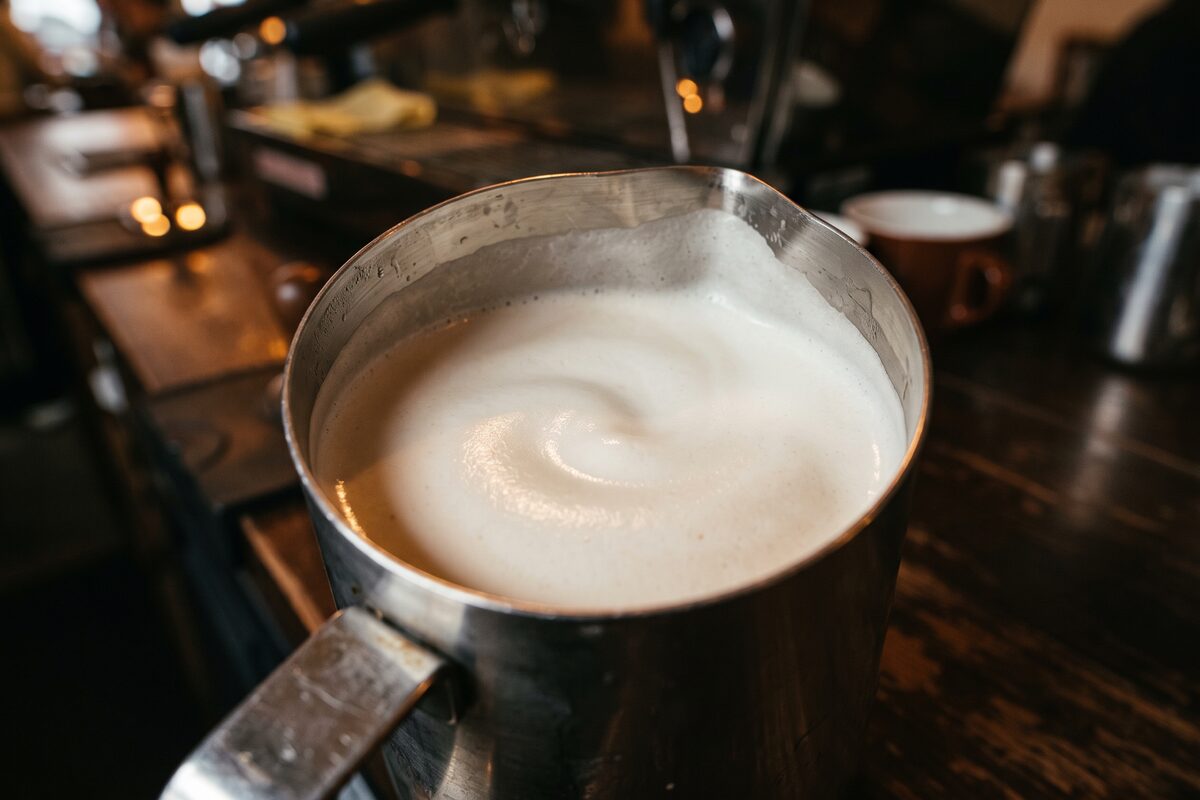
The foam you can pour a tulip with comes down to fat and protein. Here is the short version.
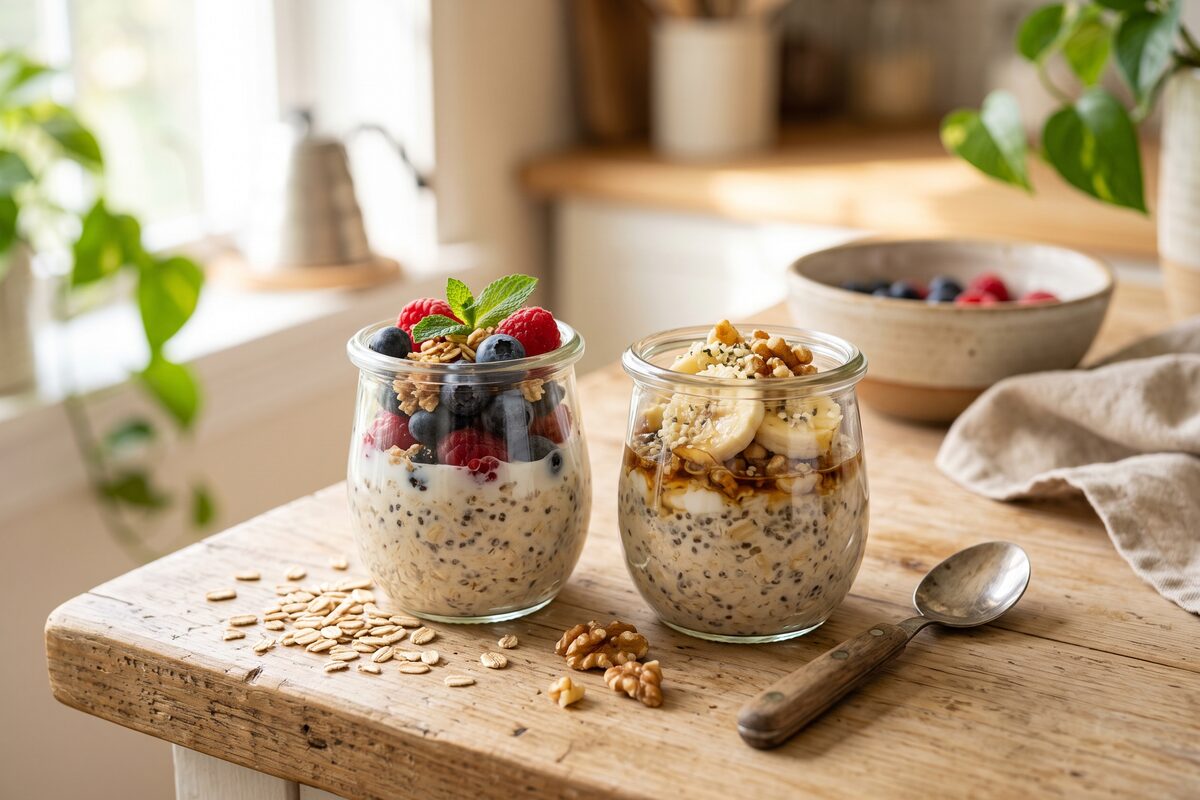
A looser, drinkable overnight oats built on Everyday Oat.
Single-origin oats sounds like it belongs on a coffee menu, not on a milk carton. But the reason we do it is the same reason a roastery sources from one farm: consistency, traceability, and the fact that flavor varies more than you might expect between growing regions.
Our oats come from the Hargrove family in the Columbia Basin, on the eastern Oregon and Washington border. The Columbia Basin grows hull-less oats particularly well. Dry, warm summers and cold winters push the starch content up, which is good for extraction, and the low humidity keeps mold pressure down. The Hargroves have been growing there for three generations and they are careful about what they plant.
We mill at one facility, press at one facility. Every batch goes back to the same starting material. When we adjust the recipe - which does not happen often - we know exactly what changed because nothing else did.
A blended-source oat milk is not a bad product. It is just a harder one to keep consistent. Each harvest from a different region brings slightly different grain size, moisture content, and starch character. When you mix sources, you spend a lot of time re-tuning rather than improving. We decided early on that we would rather know our oats.
That said, single sourcing is not a permanent guarantee. A bad harvest year, a change on the farm, a problem at the mill - any of these could push us to make different choices. We would tell you if they did. For now, the arrangement works, and the carton-to-carton consistency is the evidence.
This is a two-ingredient drink that the salt makes interesting. The Barista Pistachio has a naturally green-gold flavor and a faint nuttiness. A little sea salt sharpens both without adding sweetness. The espresso goes in last so you get the layered look before you stir it.
The drink works well without the syrup. If you are using it, keep the pour light. A little goes a long way against the pistachio.
Oat milk foams differently from dairy. The fat and protein ratio is lower, and the mix behaves differently at temperature. Here is how we pull a tight, glossy microfoam every time.
Cold milk moves faster at the start of the steam cycle and gives you more control. Pull the pitcher from the fridge and start immediately. Room-temperature oat milk is harder to read on the steam wand and tends to overheat before you notice.
When the steam wand goes in, keep the tip just under the surface and listen for the light tearing sound of air entering the milk. Two seconds of stretch is usually enough for a flat white or latte. After that, drop the tip lower and let the milk spin in a slow, even vortex. You are looking for a surface that stays glossy and intact rather than bubbling and breaking.
At 65 C the oat base starts to taste cooked and the foam gets looser. If you are steaming by feel rather than by thermometer, it is ready when the pitcher is comfortably warm but too hot to hold for more than a second or two. Take it off before it starts to feel like it is burning your hand.
Tap the pitcher firmly on the counter once to break any remaining larger bubbles, then swirl to bring the foam together into a smooth, even texture. Pour immediately. Oat microfoam thins quickly if it sits while you do something else.
Traditional horchata is made from soaked rice and cinnamon. This version uses Everyday Oat as the base, which gives it a slightly fuller body and means most of the texture work is already done.
The overnight soak is not optional. Without it the cinnamon stays sharp and separate. With it the flavors fold together and the drink tastes as though it has been simmered, even though it has not been heated at all.
The horchata keeps in the refrigerator for two days. The cinnamon deepens as it sits, so if you are making it ahead, use one stick on day one and steep the second overnight in the finished drink if you want more intensity.
Dairy milk makes glossy, stable microfoam for two reasons: fat and protein. The fat coats the air bubbles and keeps them from collapsing immediately. The protein - mostly casein and whey - builds the structure that lets the foam hold a shape long enough to pour latte art.
Plant milks generally have less of both, which is why most of them foam poorly, or foam well for about ten seconds before the bubbles break apart and the texture goes flat.
Oat milk has a different set of proteins than dairy - avenins and globulins rather than casein. They behave differently under heat. Too hot, too fast, and they break rather than set. This is why temperature control matters more with oat milk than with whole dairy. You have a narrower working range and less margin for error.
The fat in oat milk is usually added sunflower or rapeseed oil. It does not behave identically to milk fat, but at the right ratio it stabilizes bubbles well enough for clean latte art. Too little and the foam is dry and collapses quickly. Too much and the milk tastes greasy and the foam is heavy rather than light.
Start cold. Do not overheat. Stretch briefly. These rules exist because of the fat and protein behavior above, not because of arbitrary preference. The good news is that once you understand why the rules work, you stop needing to remember them as rules. You just know what you are doing and why.
The reason baristas argue about plant milk is mostly this: different brands have different fat and protein ratios, different stabilizers, and different behaviors. A technique that works on one oat milk may not transfer to another. If you switch products and your foam stops working, that is usually the explanation.
Standard overnight oats are thick enough to eat with a spoon. This version is built to be drinkable - more of a smoothie texture than a bowl, which makes it a reasonable breakfast if you are in a hurry.
The key is the ratio: more milk than grain, and a brief blending step to break down the oats so you get body without chunks. The chia seeds do the thickening work while everything soaks.
The chia seeds absorb about three times their weight in liquid overnight, which is what builds the body. If you prefer it thinner, use one tablespoon of chia rather than two. The texture on day two is thicker than day one as the chia continues to absorb.